

Seohee Park
Download PDF
Dec 4 2025
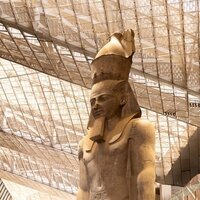
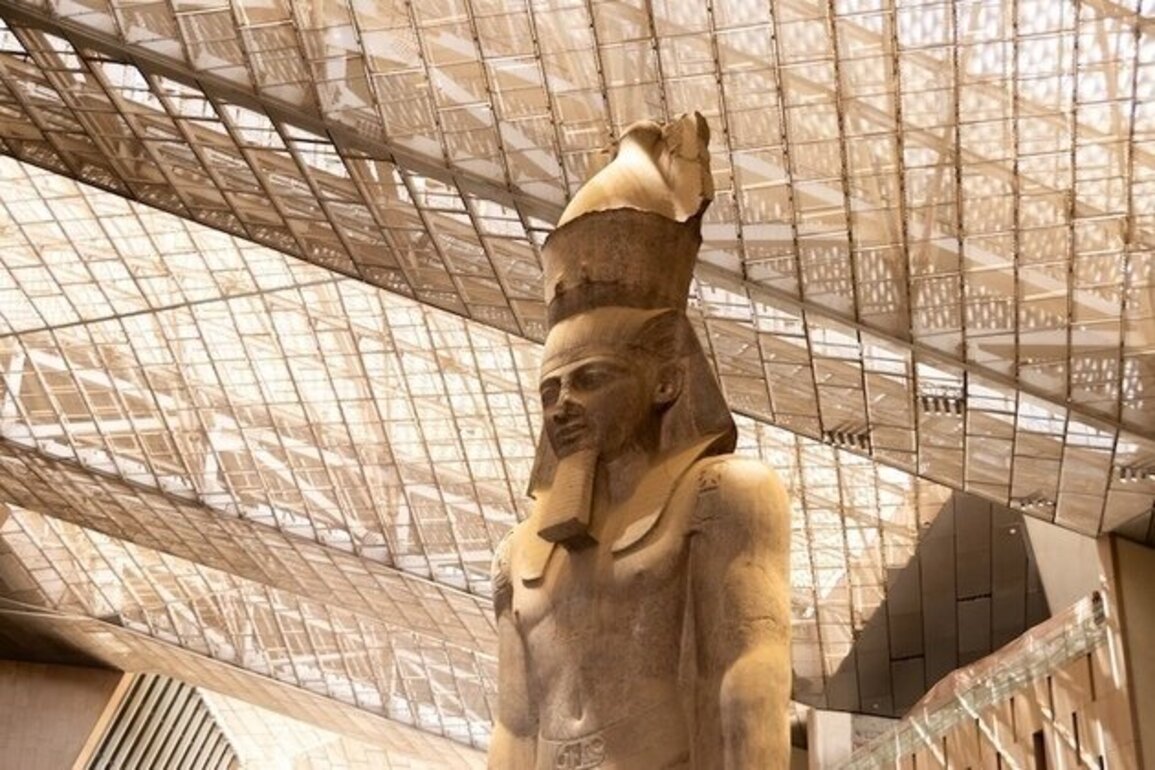
AliciaOrtego/DepositphotosWhen the Grand Egyptian Museum (GEM)officially openedin Giza, Egypt on November 1, 2025, few observers noticed what the numbers revealed. The Japan International Cooperation Agency (JICA) financed over 80 per cent of the museums84 billion yen (US$1 billion) construction budget. Directional signage across its halls appeared in Arabic, English, and Japanese. The choice of languages, especially in Japanese, was an act of geopolitical inscription. Why did JICA invest in GEM? What kind of interests does Tokyo have in the Egyptian museum? Japans approach to museum diplomacy has reconceptualised the very meaning of influence itself. Rather than competing directly with other Asian powers through military bases, trade corridors, and security partnerships, Japan is moving into the realm of cultural memory and so-calledcivilisational stewardship. Japans investment in the GEM represents a deliberate way of embedding long-term influence not throughdebt-laden infrastructure mega-projects, but through the shaping of how societies understand their own pasts and futures.
For decades, Japans Official Development Assistance (ODA) has been synonymous with technical excellence and disaster resilience. Nonetheless, Egypt was not an obvious arena for Tokyos strategic outreach. Japans ODA policy has changed significantlysince its postwar origins, shifting from mainly commercial interests towards more strategic geopolitical deployment. The choice of Egypt is something more calculated: a recognition that influence in the twenty-first century is increasingly contested through control over how societies understand their pasts and imagine their futures. Where some powers build ports and highways, Japan is learning to build meaning itself.
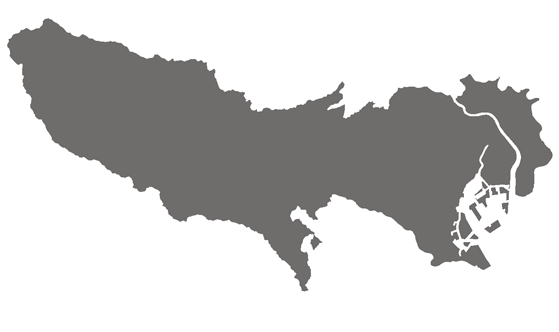
The symbolic significance is difficult to overstate. As the worlds largest archaeological museum, the GEM houses over 50,000 artefacts, many displayed for the first time. By funding the conservation labs, restoration work, and the centrepiece recovery ofthe Khufu solar boat, Japan has successfully positioned itself as a custodian of global heritage. This support matters precisely because heritage stewardship cannot be easily reversed. Once a country plays a role in curating how a civilisation presents its identity, the role becomes structurally embedded in how that nation imagines itself, as it can determine which artefacts are displayed, how they are contextualised, and which narratives are amplified. Tokyo GovernorYuriko Koikes attendance at the opening ceremony isanother strategic intention.
A Cairo University graduate who experienced the1973 October War(Yom Kippur War), she brought something technical bureaucrats cannot: she embodied the relational depth that Japan sought to communicate. When senior political figures invest their symbolic capital incultural diplomacy, they signal that the partnership extends beyond transactional exchange. Her participationin a broader diplomatic tour across the Arab regionin October, emphasising health, education and environmental cooperation, intertwines the GEM into a larger picture of institutional ties that transcend any single project.
Japans cultural ODA footprint extends well beyond Egypt. JICAs involvement in restoring heritage sites inKathmandu Valleyafter the2015 Gorkha Earthquake, including the reconstruction of theDegu Taleju Temple in Patan Durbar Square, follows an identical logic. By dispatching heritage conservation experts to work alongside Nepals own institutions, Japan builds physical infrastructure, local technical capacity, and institutional memory all together. The symbolic reopening of the temple in April 2025 positioned Japan as a partner committed to both technical excellence and cultural continuity. What emerges from these examples is areconfigured understandingof geo-economic power. 20th century hegemony was projected through military bases, resource concessions, and strategic enclaves. In contrast, 21st century influence increasingly flows through what we might call the infrastructure of meaning: museums, archives, conservation expertise and cultural landscapes. Cultural ODA carries distinct advantages. It does not generate thedebt anxietiesassociated with major connectivity megaprojects, nor does it trigger the geopolitical sensitivities of military partnerships. More crucially, its returns accumulate slowly but durably, in trust, institutional alignment and narrative credibility.
For Egypt whose influence in the Middle East slowly has declined, Japans support addresses an immediate crisis:revitalising a tourism economydevastated by years ofpolitical uncertaintyandcollapsing visitor numbers. The GEMs opening promises both economic recovery and restored national prestige. For policymakers across the Indo-Pacific, however, the strategic lesson cuts deeper. The competition for influence is no longer confined to maritime chokepoints, semiconductor supply chains or development finance. It is equally contested throughstewardship of collective memory. This approach matters because how a nationunderstands its pastshapes how it imagines its geopolitical future. Countries that help curate that understanding acquire leverage that operates below the threshold of traditional diplomacyinfluence that persists across electoral cycles and regime transitions, that cannot be easily audited or contested because it appears cultural rather than political.
Japans engagement in Egypt and Nepal reveals a shift in whatinfrastructure means in geoeconomic competition. By investing in institutions that preserve identity and heritage, Japan is constructing influence that outlasts any single loan agreement or connectivity corridor. The GEM thus marks both a milestone for Egypts cultural sector and a reminder of Japans influence itselfextending its reach into the worlds museums, heritage sites and symbolic spaces where national identity is perpetually remade. Tokyos strategy is driven not byexternal pressureas Calder once said, but bydeliberate strategic choice. It is a new geography of geo-economic power in the twenty-first century.
Further Reading on E-International Relations
- The State of Japans Soft Power After the 2020 Olympics
- Opinion Toward a Japan-South Korea Alliance Less Reliant on the US
- Opinion Japans Military Awakening
- Opinion The US-Japan Alliance Continues to Stand for Democracy, Despite a Role Reversal
- Opinion Pipelines and Politics: Natural Gas Connects Israel and Egypt
- Trumps Gangster Diplomacy: The Political Economy of US-Japan Tariffs
About The Author(s)
Dr. Seohee Parkis Lecturer at Victoria University of Wellington in New Zealand, where she teaches International Relations and Geopolitics. Her research focuses on semiconductor supply chains, technonationalism, high-tech industries, security in the Indo-Pacific, and geoeconomics. Outside academia, she enjoys creative writing, fitness, and exploring Wellingtons windy forest trails.
TagsDiplomacyEgyptJapanSoft Power